Busbars for electrical power distribution
What is a busbar?
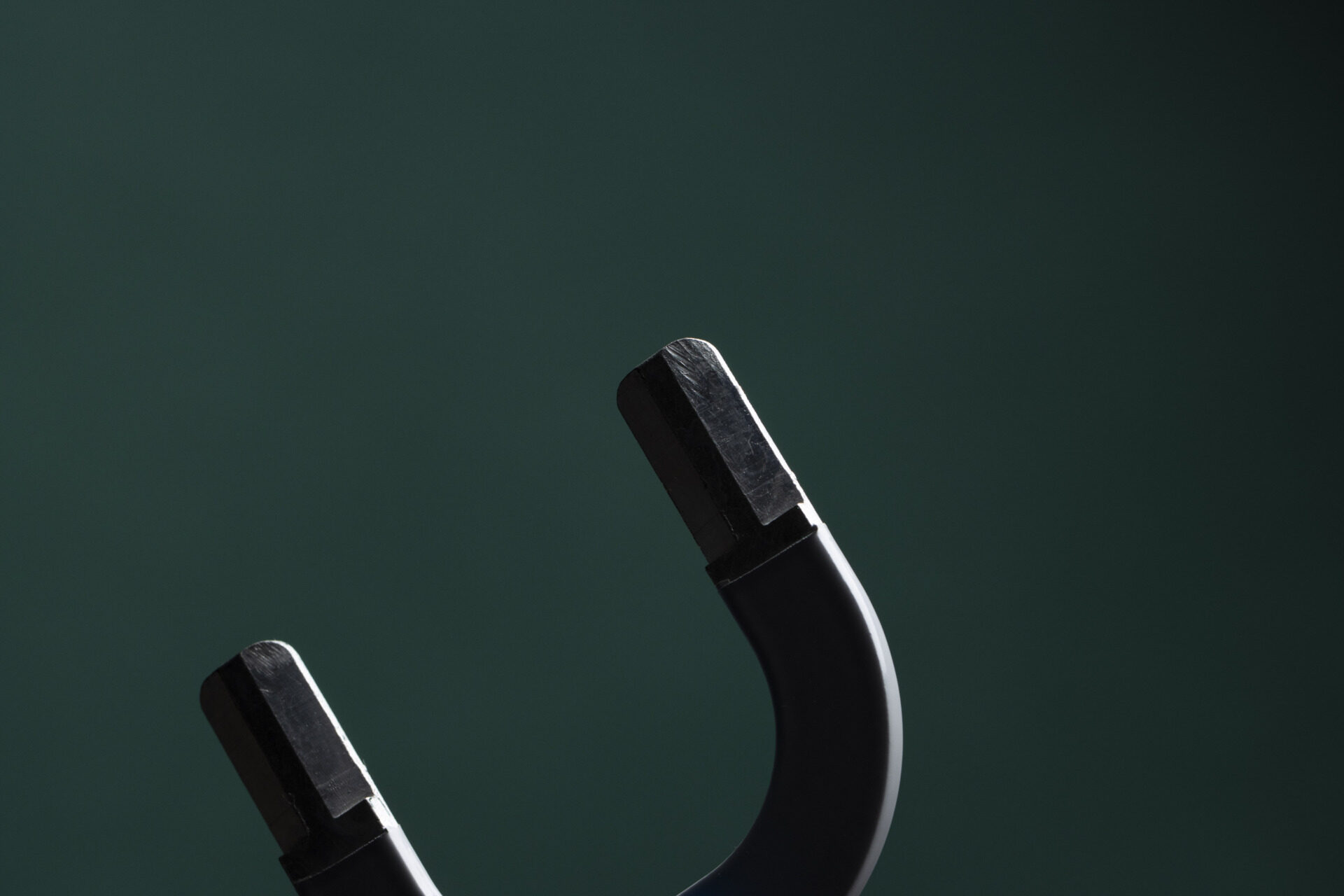
A busbar is a conductor used to feed, distribute and transfer electrical power within systems such as electrical cabinets, distribution boards, switchgear and renewable energy applications. Busbars can be flexible or rigid, insulated or non-insulated, and designed to match specific installation requirements. They perform especially well in applications where space is limited or controlled bending is required.
What are busbars made of?
Choosing the correct material is a key decision in designing reliable busbar solutions. The most common materials are copper and aluminium. Tin-plating increases electrical conductivity and protects the metal from oxidation. Copper has better conductivity compared to aluminium, which means a smaller cross-section is required. Aluminium on the other hand is more cost-effective, but it requires a larger cross-section and is prone to breaking when bending.
Busbars can be made from solid material bars or with a layering technique where many thin sheets of the conductor material are held together with insulating material.
Why choose a busbar inside electrical cabinets and distribution systems
- Efficient use of space in electrical systems
- Clean cabinet layouts
- Superior properties for efficient power distribution in high-current applications
- Flexibility in product design
- Reduced need for separate connectors when designed correctly
Different types of busbars
Busbars come in different shapes and sizes, and modifiability is their strength. Busbar connections can be designed even for very constrained installation spaces.
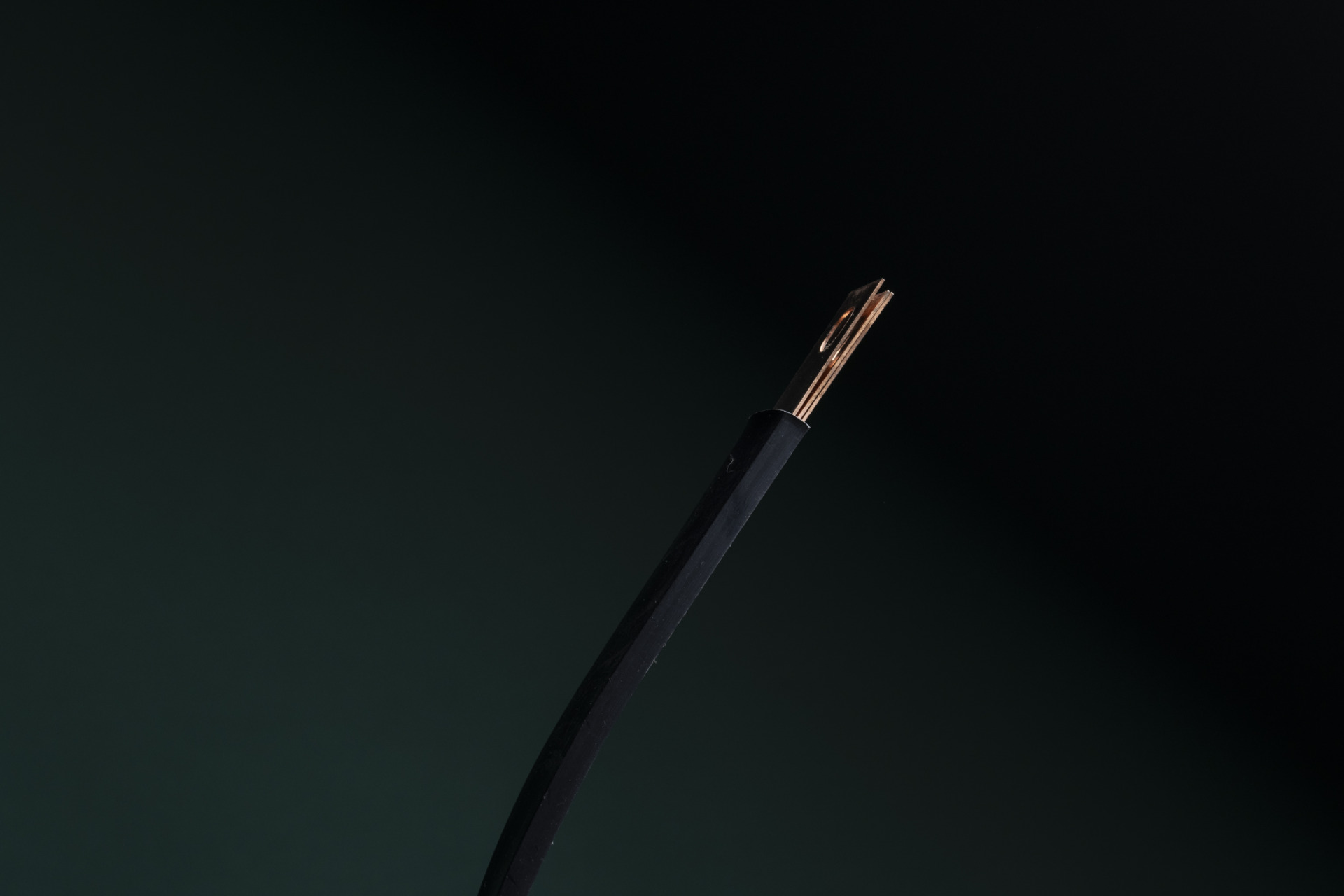
Busbars with flat sheet construction: Our own TVK flexible busbar represents this basic type of busbar. Thanks to the sheet construction, these kinds of busbars are extremely flexible. The insulation sleeve is made with halogen-free flame-retardant material.
We recommend flat sheet construction busbars for applications with currents below 1000 A.
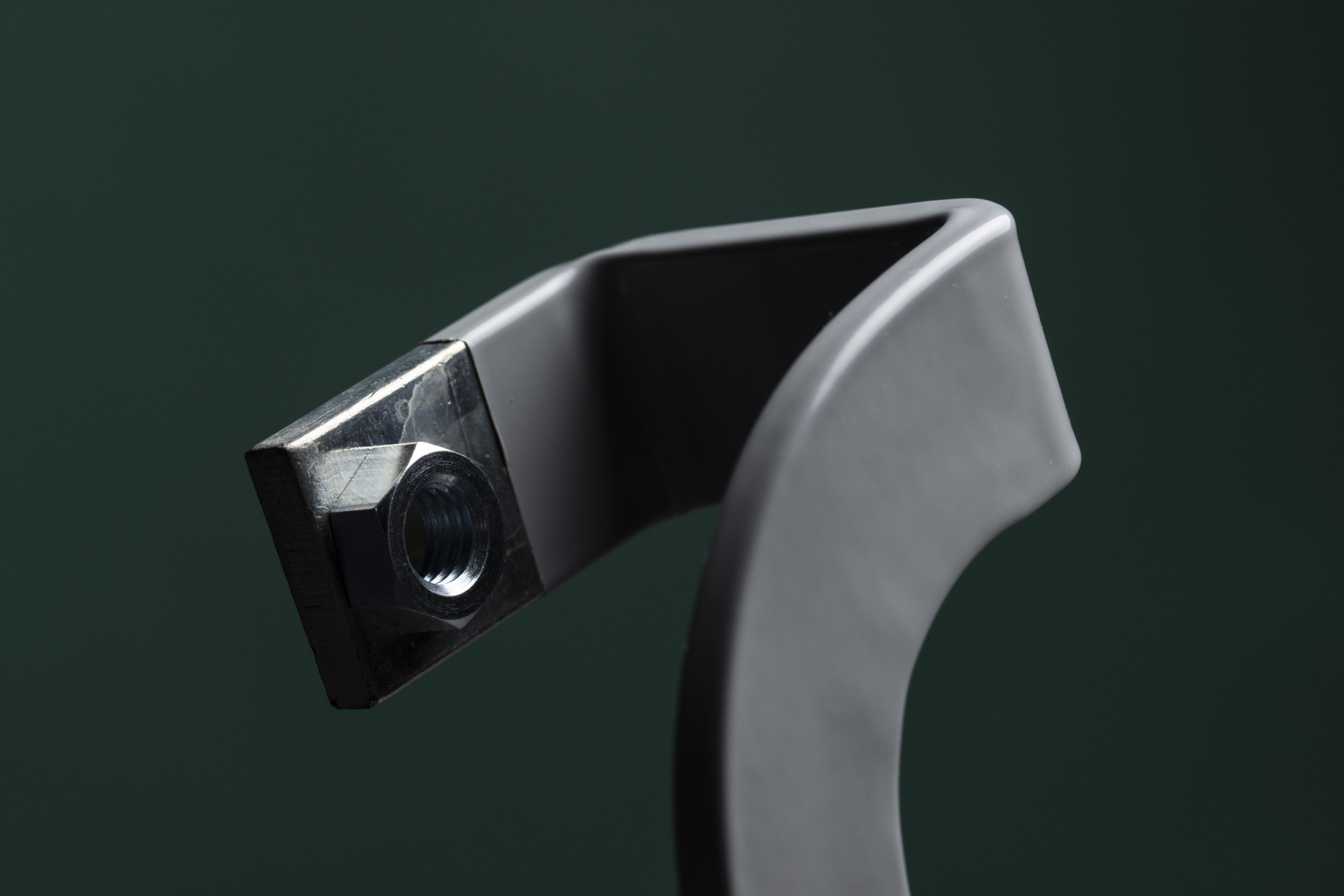
Complex, customised busbars: Customised busbars made from rigid materials are commonly used in more demanding applications.
They give you more freedom in product design and are also more mechanically resistant. Customised busbars react to thermal expansion by adapting to it, while maintaining their performance. There is no power dissipation within the length of a busbar.
The installation of busbars can usually be done with standard fasteners. Compared to cables requiring specific connectors, customised busbars have the advantage of easier and more efficient installation since customised busbars can be equipped with integrated fasteners.
Design and manufacturing considerations
With different types of busbars come different considerations when choosing the best power distribution solution for your next project. We compiled some of them below.
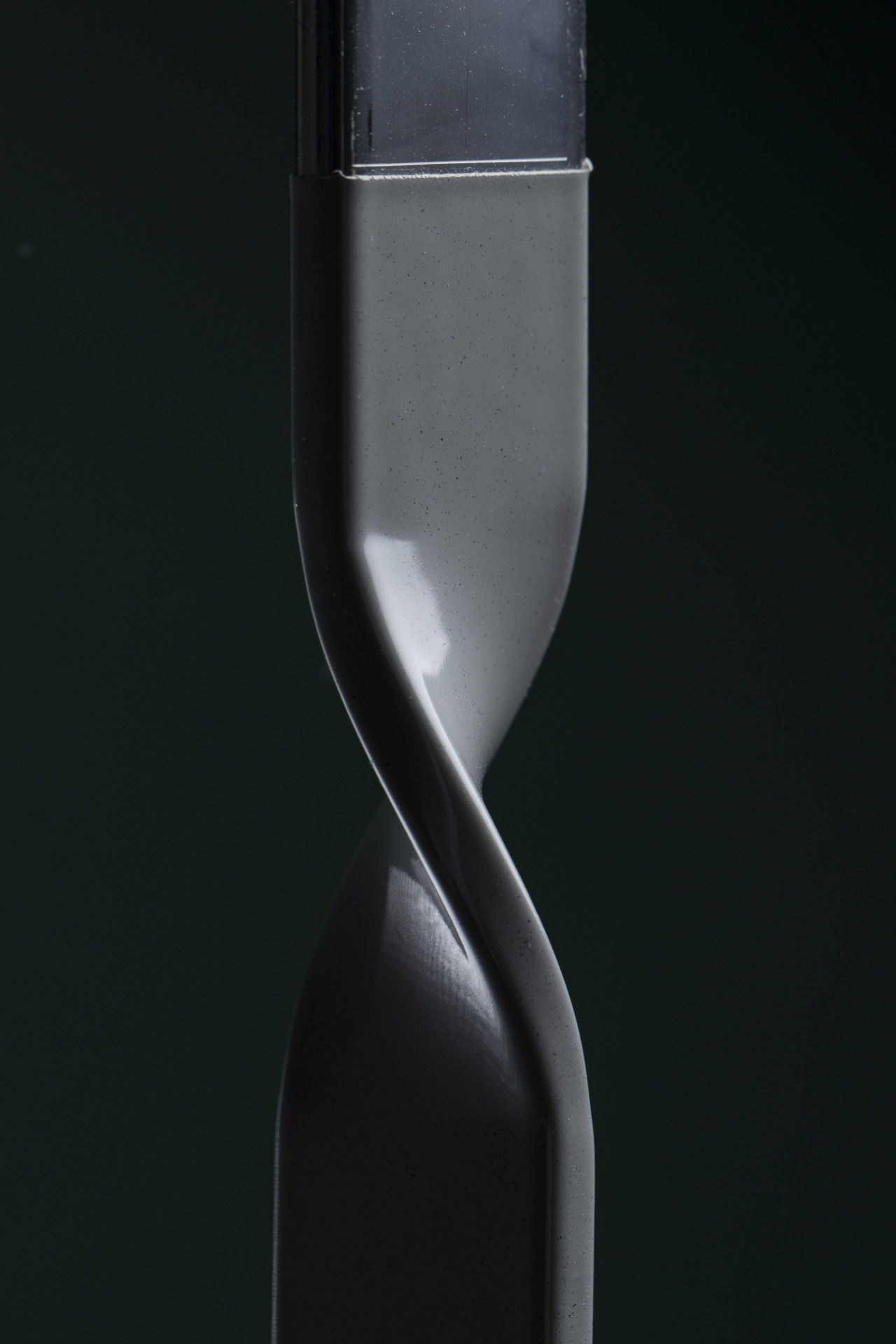
With flat sheet construction busbars, it is good to keep in mind that since the construction includes many “free moving” parts, dimensional accuracy is lower due to the layered and flexible structure. Insulation is done with an insulation sleeve, which allows the free movement of parts. Increasing the number of layers increases current carrying capacity, but the busbar cannot be shaped as easily as the thickness increases. In this sense, a flat sheet construction busbar is like a cable. When currents go higher, significantly more surface area is needed which in turn affects installation and costs.
Customised busbars are as diverse as their designers. The freedom in product design is their biggest advantage, but certain tolerances regarding the manufacturing process must be kept in mind. This means you won’t get the dimensional accuracy of machining, but it is much higher than with flat sheet construction busbars. One detail that often surprises customers is that the insulation on customised busbars can be done with powder coating. The process creates a very high-quality insulation that is fully customisable. Customised busbars are suitable for power distribution within long and short distances.
| Insulation method | Shrink tube | Insulation sleeve | Powder coating |
| Insulation grade | Average to great insulation depending on material thickness | Good insulation | Great insulation, solution not limited to busbars |
|
Cost/applications
|
Cost-effective, suitable mainly for products with minimal bends
|
Suitable mainly for straight or products with minimal bends | Suitable for diverse products |
| Stress factors | Keeps the parts together, resistant to chemicals and moisture | Allows the parts to move while holding them together, resistant to chemicals | Extremely durable, insulation is fixed |
| Installation of insulation and final assembly |
Easy to install on a minimally bent product, requires separate fasteners
|
Easy to install on a minimally bent product, requires separate fasteners
|
Easiest to install when designed right, less components in the final assembly
|
|
Other considerations
|
Requires heat treatment |
Doesn’t require heat treatment, halogen-free materials
|
Available in diverse colours
|
The future of busbars
Our view based on more than 50 years in the electrical industry is that busbars will become increasingly popular in power distribution. The electrification of our society and the demand for more power are affecting this trend significantly. The demand is not limited to just more power, but our energy systems need to be able to distribute higher currents as well. Here is where busbars really make the difference compared to traditional cables.
Busbars are the power distribution solution of the future. We believe that especially with the modern manufacturing methods for busbars, their use will only grow.
